

SEPA direct debit:
the solution for scheduling your payments
The SEPA (Single Euro Payments Area) direct debit, also known as SDD, is a method used for making secure recurring and one-off payments. Beyond a simple direct debit, it takes you further in mastering your payments.

Getting paid: the daily challenge for businesses
Often used for its simplicity, card payments also have their limitations:
- Card limit blocking payments above a certain amount.
- Card expiration date ending recurring subscription payments.
- Strong authentication tying the payment to the cardholder only.
Bank transfers avoid the constraints of expiration dates and allow higher amounts, but the customer initiates them…


Impact on customer satisfaction
Payment failures are still frequent and invoice recovery times are increasing.
Beyond the impact on cash flow, customer satisfaction rates can also suffer, with unpaid invoices potentially causing misunderstandings or disputes.
The SDD solution: creditor-initiated payments
SEPA direct debit allows a creditor, either a legal or natural person awaiting payment of an invoice, to debit money from a debtor, whether a B2C or B2B client, directly from their bank account identified by their IBAN. It is used for:
- Recurring payments: SDD is often used for services delivered by subscription, allowing the creditor to debit the debtor on predefined dates.
- One-off payments: retailers or e-commerce merchants can offer one-off direct debits to their clients (B2B and B2C), an alternative to card payments on online sales sites.

Setting up SEPA direct debit in 5 steps
The creditor must:
-

Have the debtor sign a SEPA direct debit mandate.
Once signed, the mandate
has no expiry period.
-
Present the debit instruction
to the counterparty bank (customer’s bank)
at least 24 hours before the execution date.
-
Provide an annual schedule
to their customer
with the debit dates.


The debtor must:
-
Complete the information
on the electronic SEPA mandate
sent by the creditor.
-
Electronically sign
the direct debit mandate.


SDD by Xpollens: a new customer experience
Quick and smooth with the instant direct debit mandate and its electronic signature, discover how Xpollens’ SDD transforms the online customer purchase journey, whether the payment is one-off or recurring.
Real-time monitoring and automation for Finance teams
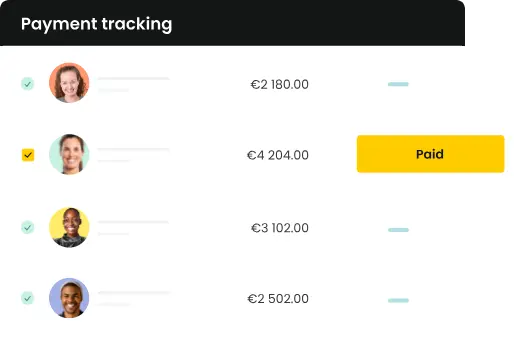
Once the direct debit mandate is set up with its customer, the company is instantly informed of the status of the debit:
- Payment made
- Debit failure
Thanks to the business rules in place (e.g., automated SMS reminders), the company can:
- Inform their customer, regardless of the transaction status.
- Re-present the payment in case of failure, either through a new direct debit with a new schedule or other payment methods better suited to the debtor, such as a bank transfer.

The 3 benefits of SDD by Xpollens
Alongside Instant Payment and Virtual IBANs, direct debit (SDD) optimises company payments and accounts. Combined with our Banking-as-a-Service platform, this reliable payment method offers high-value-added benefits:
-

Revenue Security
Scheduled debits.
Irrevocable payments.
Real-time automated reminders. -

Savings
Optimising reconciliation and recovery
saves Finance teams’ time
and the company’s money.
-
Customer Satisfaction
Reducing disputes
and attrition rates (churn).


Integrating SEPA Direct Debit into your existing tools

Automatic direct debits and optimised customer journey


Tailored support from our experts
From the planning phase to the run, you have a dedicated contact for your project and support from our teams to assist you daily.
Discover the possibilities of Banking-as-a-Service for your sector


